
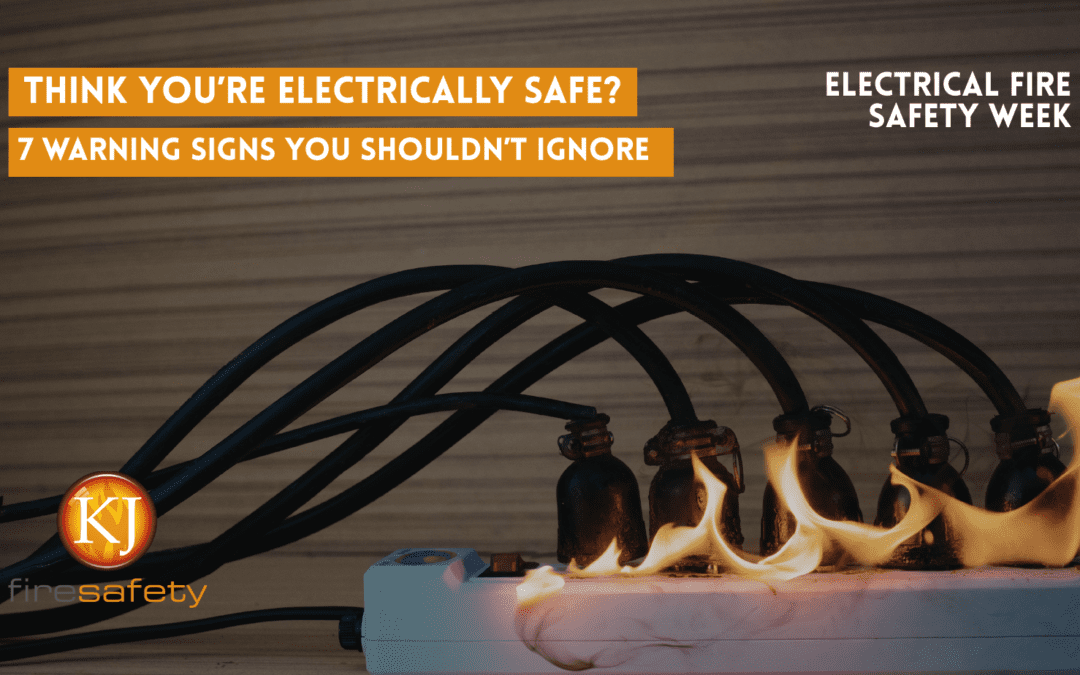
Most people assume electrical fires are rare, or that they only happen because of obvious faults. The reality is different. Over half of all accidental house fires are caused by electricity, and nine out of ten electrical fires start with electrical products we use everyday.
During Electrical Fire Safety Week, it’s worth asking an important question: would you recognise the warning signs before a fire starts? Here are 7 electrical fire warning signs you should never ignore.
1. Flickering Lights or Frequently Tripping Breakers
Occasional issues can happen – but regular flickering lights or breakers that trip repeatedly are often a sign of:
- Overloaded circuits
- Faulty wiring
- Appliances drawing more power than they should
Misuse of electrical equipment accounts for 66% of domestic fires in England, making this one of the most common early indicators that something isn’t right.
2. Warm or Discoloured Sockets and Plugs
Plugs or sockets should never feel warm to the touch.

Discolouration, scorch marks, or melting are signs of heat build-up – one of the most dangerous precursors to an electrical fire. This often links to faulty appliances or leads, which account for 23% of domestic fires.
If you spot damage, stop using the appliance immediately and have it checked.
3. Overloaded Sockets and Extension Leads
Extension leads plugged into extension leads. Multiple high-power appliances sharing one socket. Temporary solutions that become permanent. This kind of setup is extremely common – and extremely risky.
Electrical systems are designed with limits. Exceeding them causes overheating, which can ignite surrounding materials long before anyone notices.
4. Appliances Left Plugged In
Household appliances are among the biggest contributors to electrical fires – largely because they’re used daily and often left plugged in.
Recent analysis shows:
- Cookers and ovens account for 45% of domestic appliance fire incidents
- Grills and toasters: 13%
- Hot plates: 10%
- Microwave ovens: 8%
Positioned near flammable materials and left unattended, these appliances can quickly turn a minor fault into a major fire.
5. Burning Smells or Buzzing Sounds
Electrical fires don’t always start with flames. Burning smells, buzzing, crackling or popping noises can indicate wiring faults or failing components hidden behind walls or inside appliances. These fires often smoulder before igniting, making early warning signs especially important.
6. Items Placed Too Close to Heat Sources
Placing items too close to heat sources accounts for 9% of domestic fires, and it’s often accidental.
Examples include:
- Tea towels near cookers
- Paper or packaging on hot plates
- Appliances surrounded by clutter
Even brief contact with heat can cause ignition, especially when combined with electrical faults.
7. Missing or Faulty Smoke Alarms
When a fire is identified early, it can often be contained – or people can escape before it becomes life-threatening.
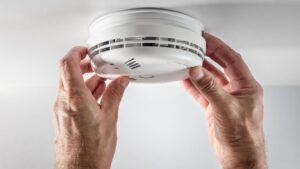
That’s why smoke alarms on every floor of the building are critical.
If a fire starts in a room without an alarm nearby, those crucial early minutes can be lost. Missing or faulty smoke alarms continue to play a significant role in fire-related injuries and fatalities. Smoke alarms don’t prevent fires – they save lives.
Awareness Is Prevention
A lack of awareness about how electrical fires start can be just as dangerous as faulty equipment itself.
That’s why Electrical Fire Safety Week, which began on 2 February 2026, exists – to encourage people to spot risks early, act quickly, and reduce preventable fires. Electrical safety isn’t about fear. It’s about paying attention to the signs before they escalate.
If you’re unsure about the safety of your electrics, don’t ignore the warning signs – deal with them early, while there’s still time.
Recent Comments