

From April 2026, new fire safety regulations are now in force across England, and they bring major new responsibilities for landlords, managing agents, and building owners. If you’re a Responsible Person for a high-rise residential building, understanding these changes isn’t optional. Failing to comply could put lives at risk and lead to enforcement action.
In this guide, we break down exactly what you need to know and what actions you should take now.
What Are the New Fire Safety Regulations (April 2026)?
The Fire Safety (Residential Evacuation Plans) (England) Regulations 2025 came into force on 6 April 2026, introducing new legal duties for high-rise residential buildings. They introduced a new process called Residential Personal Emergency Evacuation Plans (RPEEPs). These regulations were introduced following major failings identified after the Grenfell Tower fire, particularly around evacuation planning for vulnerable residents.
The aim is simple:
👉 Ensure all residents – including those who cannot self-evacuate – have a clear and supported evacuation plan.
Which Buildings Do the New Regulations Apply To?
The regulations apply to:
- Residential buildings 18 metres+ in height or 7+ storeys
- Buildings over 11 metres with a simultaneous evacuation strategy
- Any building with two or more residential units meeting the above criteria
If you manage or own this type of building, you are legally responsible.

Who Is the “Responsible Person”?
The Responsible Person is typically:
- The landlord
- Building owner
- Managing agent
- Housing provider or management company
They are legally accountable for ensuring fire safety compliance under the Regulatory Reform (Fire Safety) Order 2005.
Key Responsibilities Under the 2026 Regulations
1. Identify Residents Who Need Support
You must take reasonable steps to identify residents who may struggle to evacuate, including those with:
- Mobility issues
- Disabilities
- Cognitive impairments
This should be done when residents move in and reviewed at least annually.
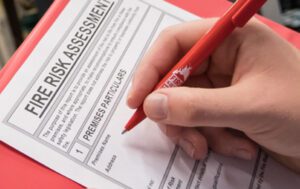
2. Carry Out Person-Centred Fire Risk Assessments (PCFRA)
A new requirement is offering individual, person-centred fire risk assessments.
These go beyond standard fire risk assessments by:
- Assessing the individual’s ability to evacuate
- Identifying personal risks
- Recommending tailored safety measures
If a resident requests one, you must carry it out.
3. Create Emergency Evacuation Statements
This statement must include the resident’s floor number, flat number, number of people who require assistance, a description of help required and any equipment or measures that support or affect their evacuation.
For each identified resident, you must:
- Agree how they will evacuate safely
- Record this in a written evacuation plan
- Provide a copy to the resident
This ensures clarity in an emergency and reduces risk during real incidents.
4. Implement Reasonable Safety Measures
Following assessment, you must introduce reasonable measures to support evacuation.
This could include:
- Evacuation aids
- Adjustments to procedures
- Additional fire safety systems
5. Share Information with Fire & Rescue Services
With resident consent, you must share key evacuation information with your local Fire & Rescue Service. This helps emergency responders understand vulnerable occupants and plan safer rescue operations.
6. Create a Building-Level Evacuation Plan
In addition to individual plans, you must:
- Develop a full building evacuation strategy
- Store it securely
- Share it with fire authorities
- Review it at least every 12 months
Why These Changes Matter
These regulations represent a major shift in UK fire safety. Previously, evacuation planning in high-rise buildings often relied on a “stay put” strategy. Now, there is a clear legal requirement to:
✅ Plan for real-world evacuation scenarios
✅ Protect vulnerable residents
✅ Take a proactive, personalised approach
The focus is no longer just on buildings, it’s on people.
Common Compliance Mistakes to Avoid
Many Responsible Persons are already at risk of non-compliance by:
- Not identifying vulnerable residents
- Treating fire risk assessments as a tick-box exercise
- Failing to update evacuation plans
- Not documenting agreed procedures
- Lack of staff training
For more information on these regulations, head over to Greater Manchester Fire and Rescue Service website to learn more.
Greater Manchester Fire and Rescue ServiceNeed Support With Fire Safety Compliance?
At KJ Fire Safety, we support landlords, managing agents, and commercial clients with:
- Fire Risk Assessments
- Fire Alarm Systems
- Fire Extinguishers
- Fire Safety Training
- Ongoing compliance support
If you’re unsure whether your building meets the new 2026 regulations, we can help.
📞 01942 562021 📧 sales@kjfiresafety.com
Recent Comments