
If buildings could talk, January would be the month they finally say,
“We need to have a conversation.”
After a busy year of changing occupants, temporary fixes that became permanent, and cupboards quietly filling with “we’ll deal with that later”, your building has thoughts about its fire safety – and most of them start with “I’m concerned.”
Here’s what your building might be saying right now… if it had a voice.
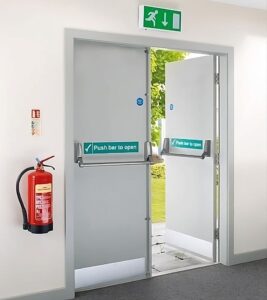
About those fire doors… we need to talk.
You know the ones. Wedged open for convenience. Knocked, chipped, or no longer closing properly. Missing seals that used to be there. Your building is trying to remind you that fire doors are only effective when they actually do their job – containing fire and smoke. Even small faults can seriously reduce their performance.
January is the ideal time to check:
-
Are doors closing fully and smoothly?
-
Are intumescent strips intact?
-
Have recent layout changes affected door function?
Because your building would really prefer not to rely on hope as a fire strategy.
I’m carrying more electrical load than I was designed for.
Over the past year, your building has quietly absorbed:
-
Extra IT equipment
-
Portable heaters during cold spells
-
Extension leads plugged into extension leads
And now it’s feeling the strain. Electrical fire risks often creep in gradually, which is why they’re so commonly missed. A comprehensive fire risk assessment in January takes stock of what’s actually in use – not what was there when the building was first assessed. Your building would like you to know: sockets have limits.
Emergency exits aren’t meant to be storage areas.
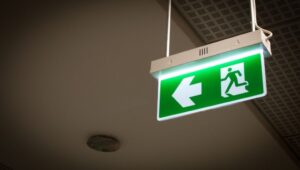
That chair. Those boxes. The “temporary” filing cabinet. Your building notices everything. Escape routes that were clear last year may no longer be so, especially after year-end clear-outs or operational changes. Fire risk assessments often uncover blocked or narrowed exits that no one consciously intended – they just happened.
January is the perfect reset point to make sure:
-
Escape routes are unobstructed
-
Signage is visible
-
Lighting still works as intended during darker winter months
Because in an emergency, your building doesn’t want anyone playing obstacle course.
People have changed… and so have the risks.
Staff turnover, new tenants, altered working patterns – your building has noticed that the people inside it aren’t the same as they were a year ago.
Which raises important questions:
-
Do current occupants understand evacuation procedures?
-
Have new risks been introduced through different uses of space?
-
Are fire safety responsibilities still clearly assigned?
Fire risk assessments aren’t just about the structure; they’re about how people interact with it. January assessments ensure fire safety reflects current reality, not last year’s assumptions.
I’ve aged another year – and so has my fire safety equipment.
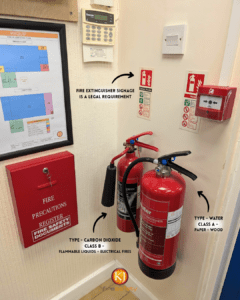
Fire alarm systems, emergency lighting, extinguishers – none of them get better with age.
Your building would like a proper check that:
-
Systems are still compliant
-
Maintenance records are up to date
-
Minor faults haven’t quietly turned into major issues
January assessments catch early warning signs before they become urgent (and expensive) problems later in the year.
Listening Now Prevents Bigger Conversations Later
If your building could talk, it wouldn’t be trying to panic you – just prompt you. January is the ideal time to listen:
-
Operations are calmer
-
Changes from the previous year are visible
-
There’s time to act before issues escalate
A comprehensive fire risk assessment now sets the tone for the entire year – reducing risk, supporting compliance, and giving everyone a bit more peace of mind. And if your building could say one final thing this January, it would probably be: “Thank you for paying attention.”
Contact KJ Fire Safety for fire risk assessments and lots more!
Recent Comments