

Electrical fires are a serious yet preventable risk in workplaces. They’re often sparked by faulty wiring, overloaded circuits, outdated appliances, and lack of regular maintenance. In observance of Electrical Fire Safety Week, this guide highlights the top five electrical fire hazards and offers practical ways to prevent them, fostering a safer and more fire-resistant workplace.
1. Faulty Wiring
Hazard Overview
Faulty or deteriorated wiring is one of the leading causes of workplace electrical fires. Wires age over time, insulation can wear down, and without proper inspections, damaged wiring can go unnoticed. Additionally, improper installation by unqualified personnel can lead to wires not being grounded correctly or connections loosening over time, further increasing the risk of a short circuit and fire.
Prevention Tips
- Regular Inspections: Schedule routine inspections with licensed electricians to check wiring for wear and ensure compliance with electrical codes.
- Professional Installation: Only qualified professionals should install, repair, or replace wiring to avoid potential hazards from ungrounded or loose connections.
- Check for Warning Signs: Encourage employees to report signs of faulty wiring, such as flickering lights, buzzing sounds from outlets, or a burnt smell.
- Avoid DIY Fixes: Discourage employees from making their own electrical repairs. Instead, designate a safety officer or maintenance manager to report issues directly to professionals.
2. Overloaded Circuits
Hazard Overview
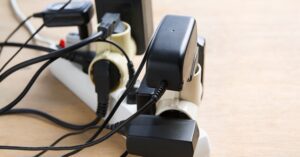
Overloading circuits happens when too many devices are plugged into one outlet or power strip, exceeding its capacity. This can cause overheating and lead to electrical fires. In busy workplaces with computers, printers, and other equipment running constantly, overloading is a common but avoidable risk.
Prevention Tips
- Educate on Power Limits: Make sure employees understand the dangers of overloading circuits and the capacity limits of power strips and outlets.
- Spread Out Devices: Avoid plugging multiple high-energy devices into the same circuit. Use different outlets for energy-intensive equipment and spread out devices as much as possible.
- Upgrade Power Infrastructure: Older circuits may not be able to handle modern electrical loads. Upgrade to accommodate higher capacities and reduce overload risks.
- Limit Use of Extension Cords: Extension cords are temporary solutions and should not be relied upon for long-term use. If more outlets are needed, consider installing additional outlets through a licensed electrician.
3. Outdated Electrical Appliances
Hazard Overview
Older appliances often lack modern safety features and can have worn-out electrical components. Coffee machines, microwaves, heaters, and even office computers that have been used for many years may have frayed cords or internal components that are prone to failure. Additionally, outdated equipment may not meet current safety standards, which means it could pose a higher risk of sparking a fire.
Prevention Tips
- Replace Old Appliances: Establish a schedule to replace older appliances with newer, safer models. Create an inventory to monitor the age of each appliance, and retire any over a specific age limit, such as five to ten years.
- Regular Testing and Maintenance: Inspect appliances for damaged cords, unusual noises, or overheating. Test and maintain these appliances regularly to catch problems early.
- Avoid Second hand Purchases: Buying used equipment may seem budget-friendly, but it can be dangerous if the appliance’s history is unknown. Invest in new, energy-efficient equipment that adheres to current safety standards.
- Unplug When Not in Use: Encourage employees to unplug appliances when not in use. This prevents unnecessary wear and eliminates the risk of overheating when left on.
4. Improper Use of Electrical Equipment
Hazard Overview
Improper handling of electrical equipment—such as plugging in devices with wet hands, using equipment near water, or not following safety instructions—can lead to short circuits and fires. This risk is particularly high in environments where employees may not have specific training on handling electrical equipment safely.
Prevention Tips
- Train Staff on Electrical Safety: Conduct training sessions on proper handling of electrical devices, including safety practices for plugging and unplugging devices and general maintenance.
- Provide Adequate Protection for Wet Areas: In places with high humidity or where water is used, such as kitchens or janitorial closets.
- Label Equipment Clearly: Ensure that all electrical equipment has clear, visible instructions for safe use. This is particularly important for high-risk appliances like space heaters and kitchen equipment.
- Report and Remove Damaged Equipment: Encourage staff to report damaged equipment immediately, and remove it from service until it can be repaired or replaced.
5. Lack of Regular Electrical Maintenance
Hazard Overview
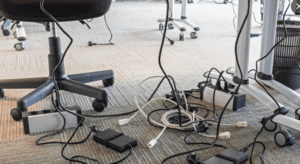
A lack of regular electrical maintenance creates an environment where small issues can go unnoticed until they lead to a fire. Routine wear and tear on circuits, plugs, outlets, and equipment need to be addressed consistently to keep the workplace safe.
Prevention Tips
- Create a Maintenance Schedule: Establish a routine maintenance schedule to check wiring, outlets, power strips, and appliances. This includes cleaning around electrical panels to ensure proper ventilation.
- Designate an Electrical Safety Officer: Assign a trained employee or hire a third-party professional to handle routine checks, ensuring that the electrical system is in good shape and compliant with safety standards.
- Implement Clear Reporting Procedures: Encourage a reporting culture where employees feel comfortable noting any electrical issues, such as damaged cords or malfunctioning outlets, without hesitation.
- Test Fire Alarms and Extinguishers Regularly: As part of the maintenance routine, test fire alarms, smoke detectors, and fire extinguishers. Having reliable detection and suppression systems is crucial if a fire does occur.
Raising Awareness: Electrical Fire Safety Week
Electrical Fire Safety Week is an important initiative that underscores the need for electrical fire prevention and workplace safety. During this week, workplaces can organize events or informational sessions to educate employees about fire hazards and how to prevent them. Employers can use this time to reinforce safety protocols, demonstrate the use of fire extinguishers, and conduct emergency drills.
Workplaces, bustling with people and equipment, can be unexpectedly hazardous environments when electrical systems are not regularly inspected or maintained. With machinery, computers, and appliances running continuously, the risk of electrical fires is often higher than we realize. That’s where KJ Fire Safety steps in as a trusted partner in workplace safety. Known for our comprehensive fire risk assessments, we carefully evaluate every aspect of a building’s fire risk, identifying vulnerabilities and ensuring full compliance with safety standards. Our reliable fire alarm systems and high-quality extinguishers are designed to provide rapid response in emergencies, protecting lives and property alike. Furthermore, we offer specialised training programs to educate employees on fire safety protocols and the correct use of equipment, empowering everyone to act quickly and confidently in the event of a fire. With KJ Fire Safety’s expertise, workplaces gain not only essential protection but also peace of mind.
Recent Comments